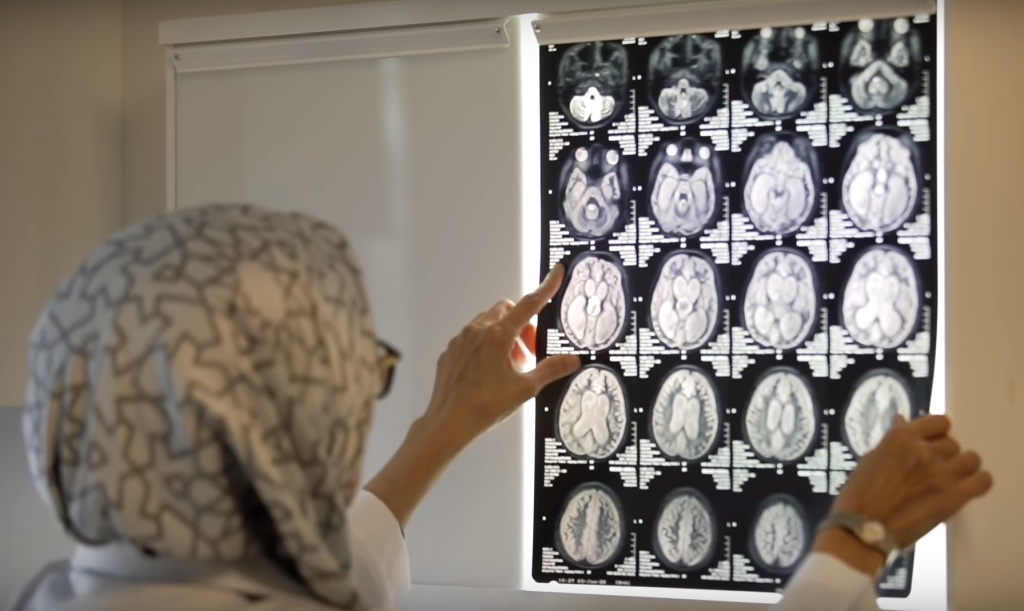
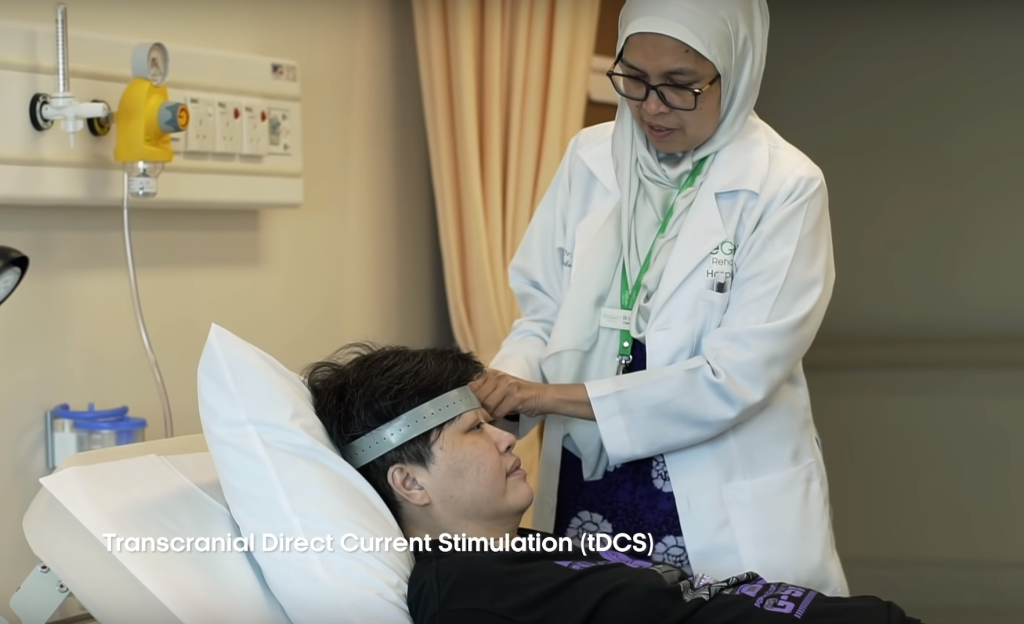
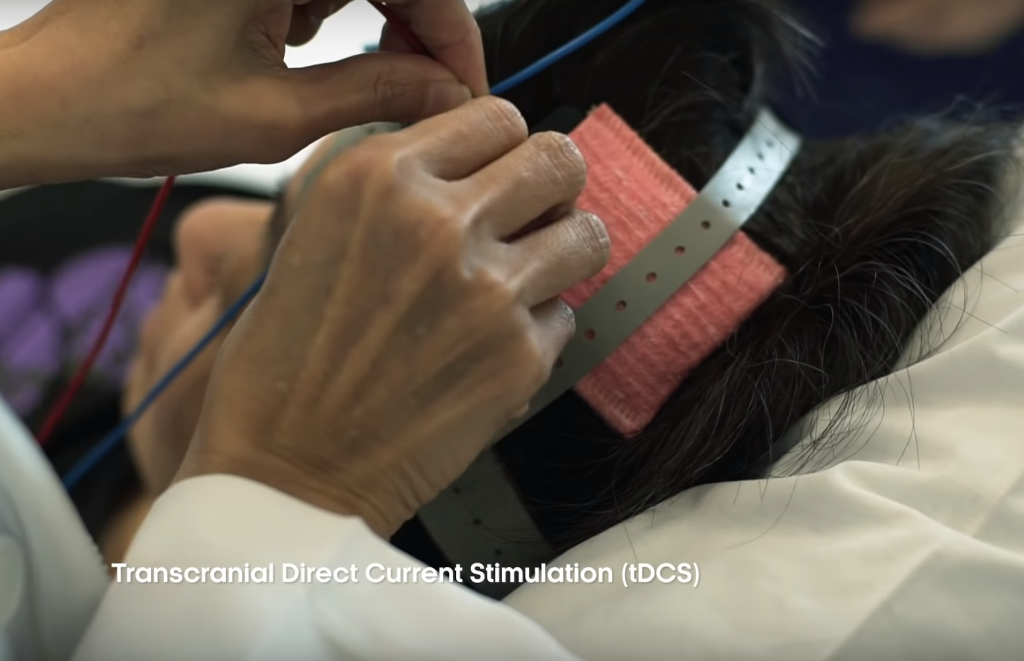
Transcranial Direct Current Stimulation (TDCS) is part of our non-invasive brain stimulation programme at ReGen, one of the few programmes of its kind in Malaysia run by recognised experts in neurorehabilitation.
We apply emerging brain stimulation techniques together with evidence-based rehabilitation to help treat a variety of conditions, including :
Neurological conditions, such as stroke, brain injuries, and movement disorders like Parkinson’s Disease
Balance and coordination problems
Swallowing disorders, language and communication disorders
Weakness (hemiparesis)
Impaired cognition
Chronic pain and other symptoms
How it works
TDCS is painless, safe, has minimal side effects, and has been used in thousands of people worldwide. It aims to improve their quality of life and reduce the effects of issues related to speaking, swallowing, movement, cognition or other functional areas.
TDCS uses direct electrical currents to stimulate certain parts of the brain by modulating neuronal activity. This can be achieved with one of these approaches :
Stimulating the damaged area of the brain to help restore the affected function; or
Stimulating a different area of the brain to compensate for the loss of function in another area.
Best results when paired with a structured rehabilitation programme
TDCS helps boost the effects of rehabilitation. While the TDCS treatment itself lasts about 20-30 minutes, it is often part of a larger rehabilitation treatment plan which includes physiotherapy, occupational therapy and speech therapy, depending on the condition treated.
Recovering after a stroke or brain injury
TDCS can enhance the effect of training on performance of various motor tasks and activities of daily living. In other words, it reduces the amount of time it takes to learn or re-learn different actions and boost how long we remember them, hence, increasing the efficacy of rehabilitation.
Advanced Brain Stimulation rTMS Therapy for Stroke Rehabilitation
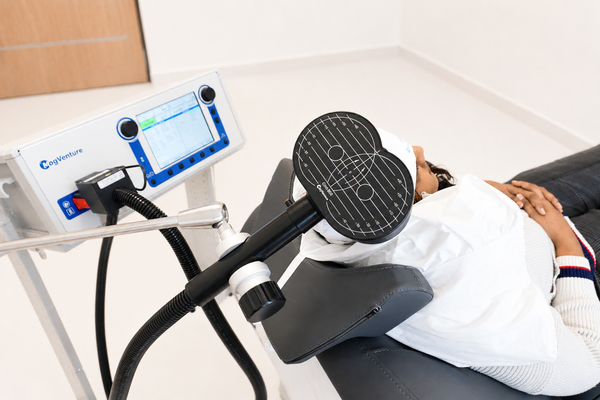
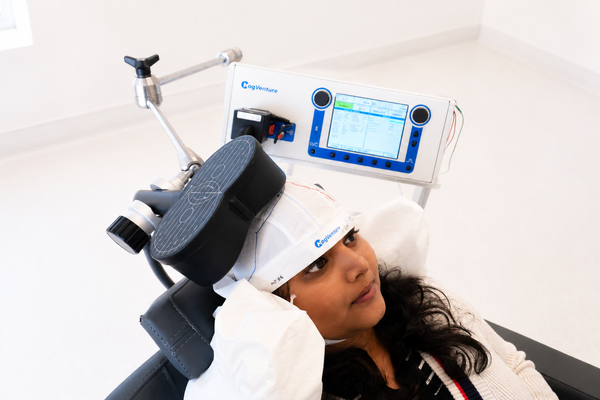
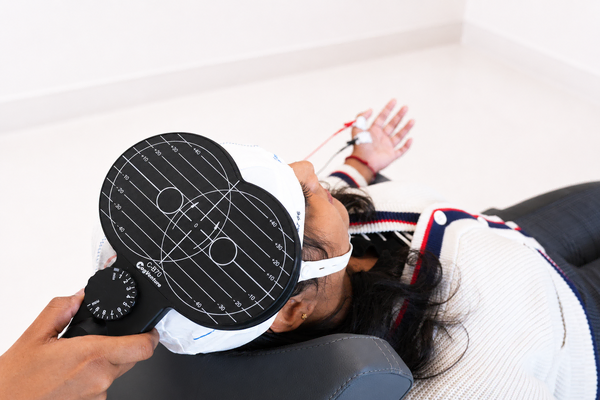
ReGen Hospital offers Repetitive Transcranial Magnetic Stimulation, also known as rTMS, as part of our advanced neurorehabilitation services for suitable stroke patients.
rTMS is a non-invasive brain stimulation therapy that uses magnetic pulses to stimulate targeted areas of the brain.
For selected stroke patients, it may help support brain recovery by encouraging activity in areas involved in movement, coordination, speech, and cognitive function.
How rTMS May Support Stroke Recovery
For suitable stroke patients, rTMS may help to:
Support motor recovery and limb movement
Improve brain stimulation for patients facing recovery plateau
Complement physiotherapy, occupational therapy, and speech therapy
Support neuroplasticity, which is the brain’s ability to reorganise and form new pathways
Assist selected patients with movement, speech, or cognitive rehabilitation goals
At ReGen Hospital, rTMS is only recommended after a doctor’s assessment and diagnosis.
It is not suitable for every stroke patient, and the decision to proceed will depend on the patient’s condition, medical history, stroke stage, rehabilitation goals, and doctor’s recommendation.
When appropriate, rTMS can be included as part of a personalised stroke rehabilitation plan alongside our multidisciplinary therapy programmes.
Why Choose rTMS at ReGen Hospital?
Non-invasive brain stimulation therapy
Suitable for selected stroke patients after doctor assessment
Not everyone who have these symptoms may be good candidates for this procedure. We recommend to start with a comprehensive evaluation to determine whether this is the right treatment for you through a detailed consultation with our specialists.